Entr’acte

Exposition.

Rising action.

Resolution.

That’s the standard structure of the 3-act arc in theatre, movies, opera, lit, &c. Between each act, there is the interlude known as entr’acte (in Italian, intermezzo; en Espanol, intermedio). It’s a time to hit the head, grab a bag of kettle corn. Or maybe just sit and reflect.

It’s not often that we can observe the clear demarcation of acts as our lives unfold. Nobody turns on the house lights or projects a helpful “Intermission” card on the big screen. No orchestra strikes up a medley of themes to cue a rush to the lobby to get ourselves a treat.

https://www.youtube.com/watch?v=hjB5gjTEEj8

Then again.

Some life moments have such innate powers of punctuation that only the dullest mope can miss the signal. Thus does Your Narrator find himself entr’acte.

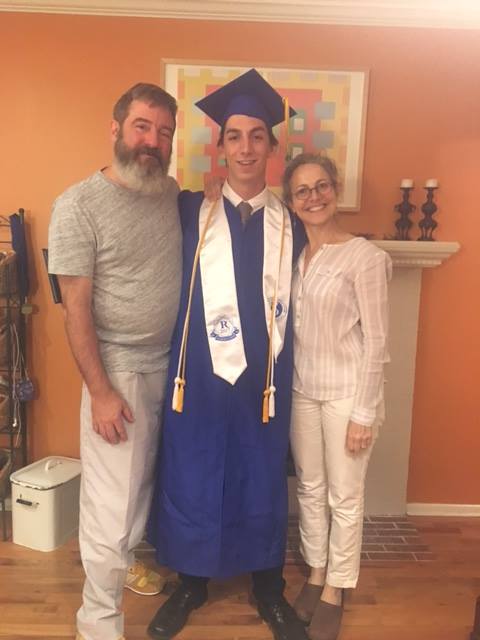
Yesterday, we packed My Favorite Boy off for a year abroad. A year. In Germany.<fn>Perhaps better to talk about either Zwischenspiel or Zwischenakt instead of entr’acte, but I can’t figure out how to pronounce the German. Mea culpa. Meine Schuld.</fn> As I’ve gotten older, years fly by more quickly than when I was a snaggle-toothed, skinned-knee yard monkey. But the coming year looks cruelly long.

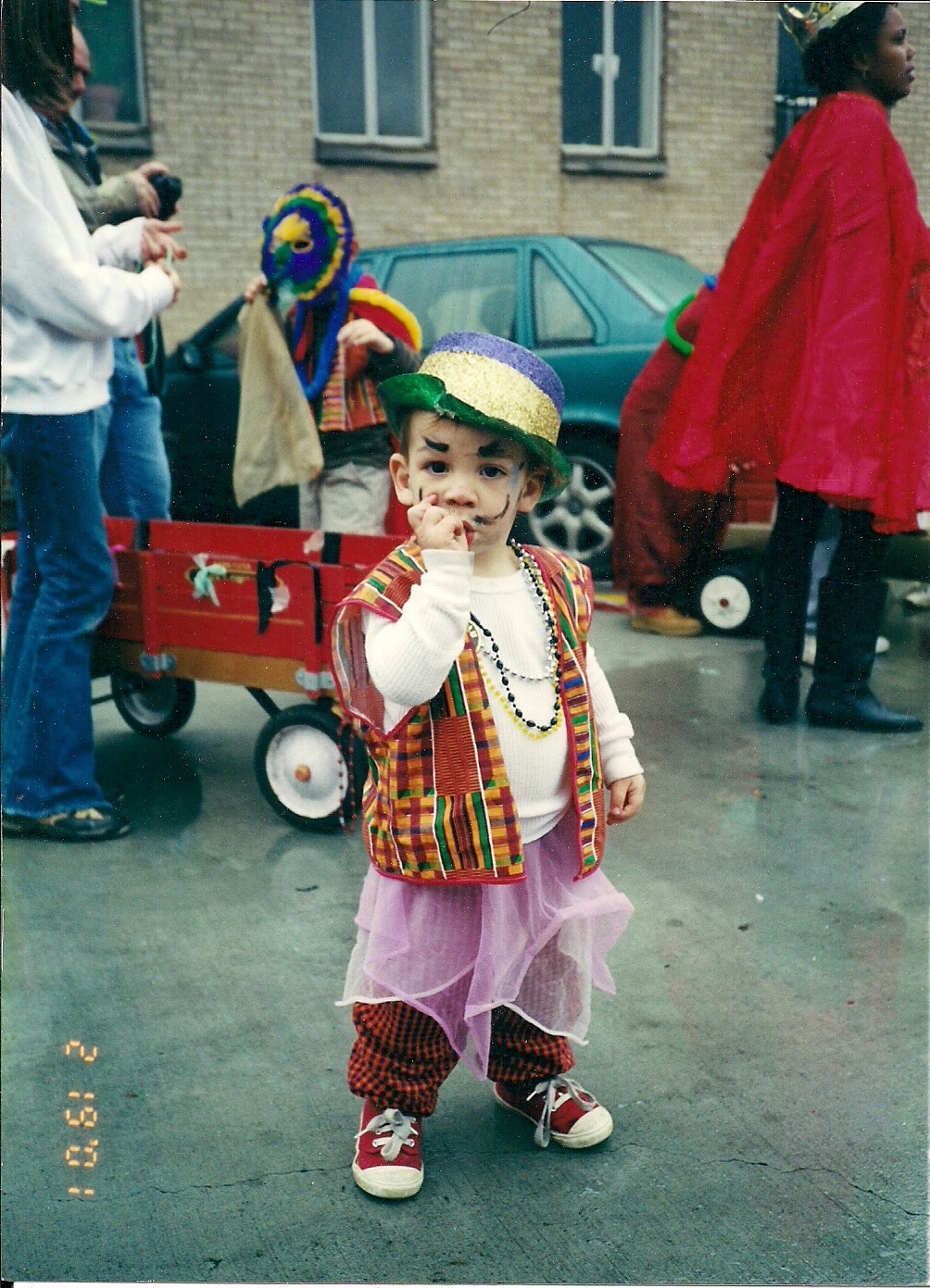
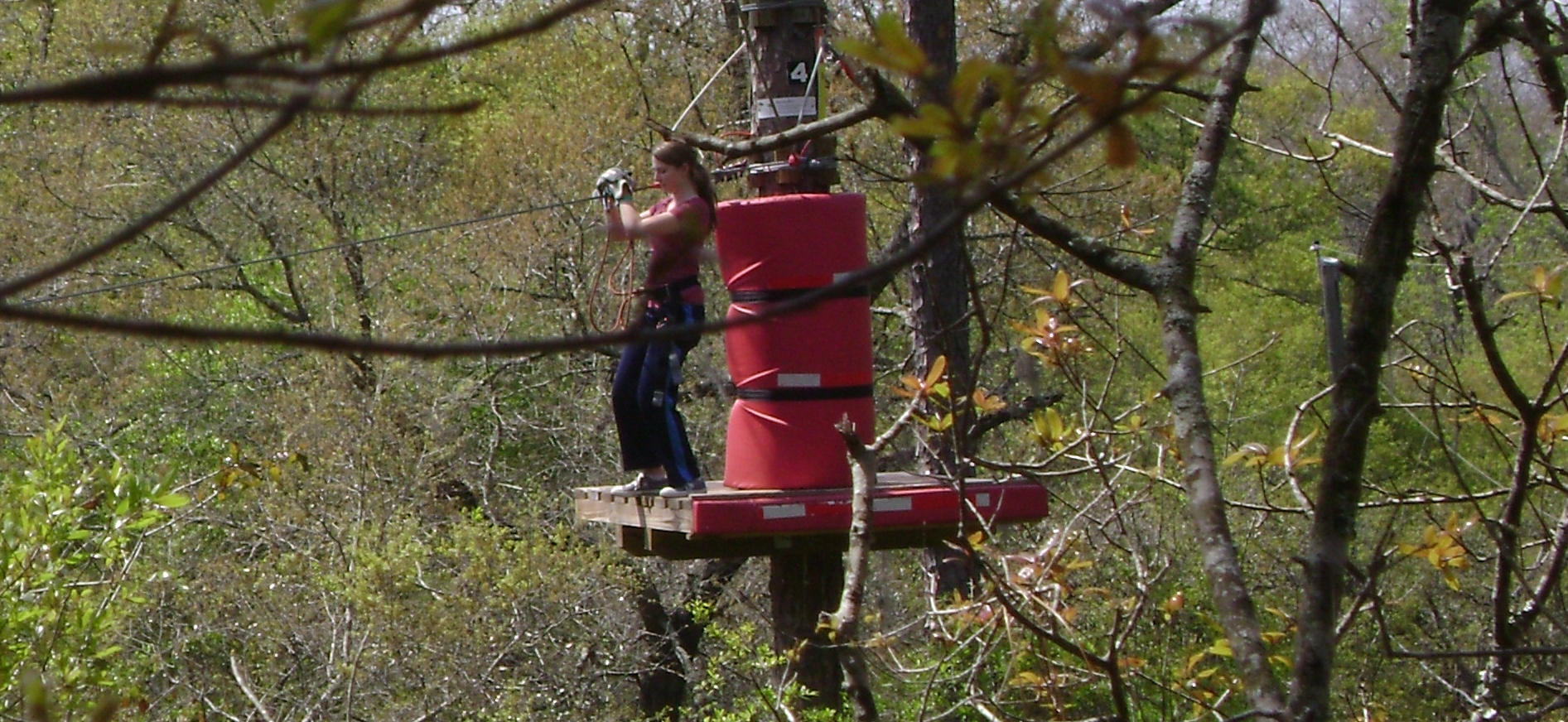
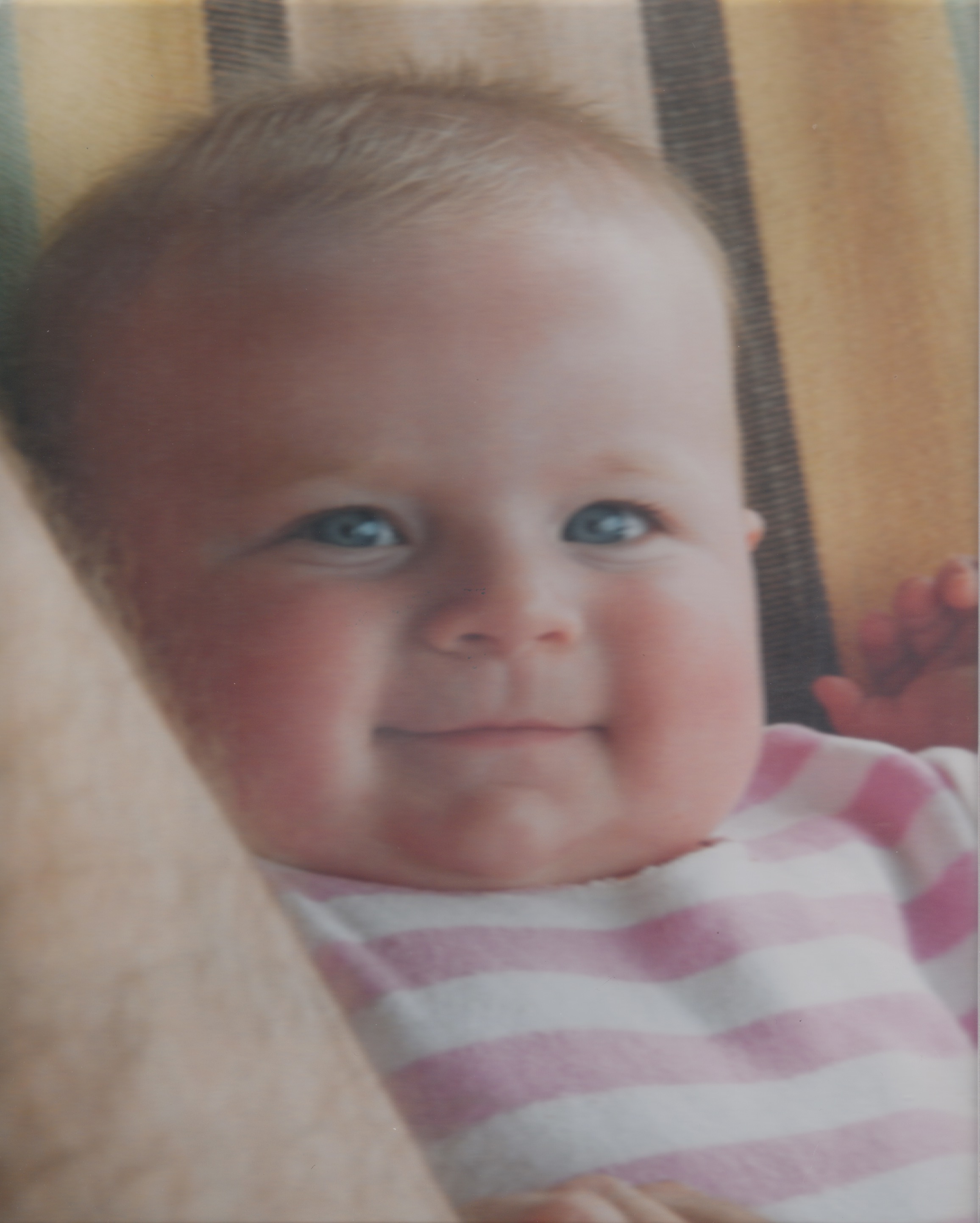
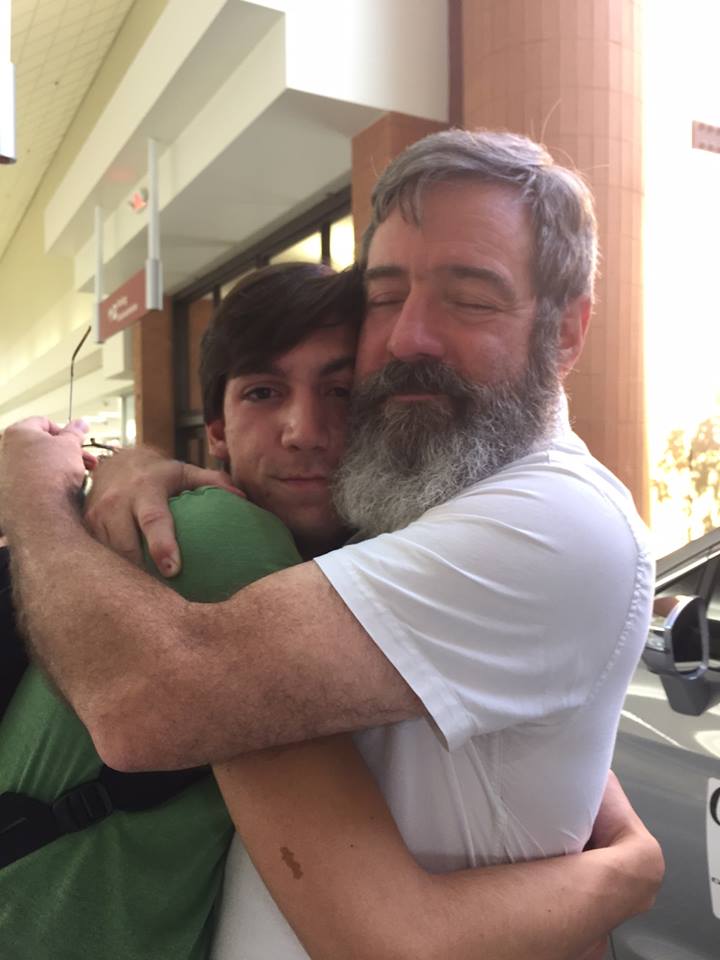
That photo up there is emblematic of The Boy. For the next year, he is enrolled in the Congress-Bundestag Youth Exchange Program (CBYX). He will repeat his senior year of high school. Only this time he will do it in German<fn>Current operative vocabulary: 8-10 words.</fn>, and maybe in high heels and dancing backwards. Who knows? He will be in a town in Lower Saxony near the Netherlands border. He found, applied, and all but had the scholarship in hand before he ever told us what he was up to. He’s always been fearless and independent.

A clearly delineated three-act arc emerges as we hang suspended, Stanwyck and I, between II and III. Like The Boy in the photo, we are a little afraid and shall likely get wet. We have already pillaged the lobby for snacks and cocktails. We sit quietly in the dark, awaiting the curtain’s rise.

Act One: Youngsters – children, almost – meet, fall head over heels. Declare themselves dedicated to life as Artists. Commit themselves until death do them what what, exuberantly pledging their troths one to the other.
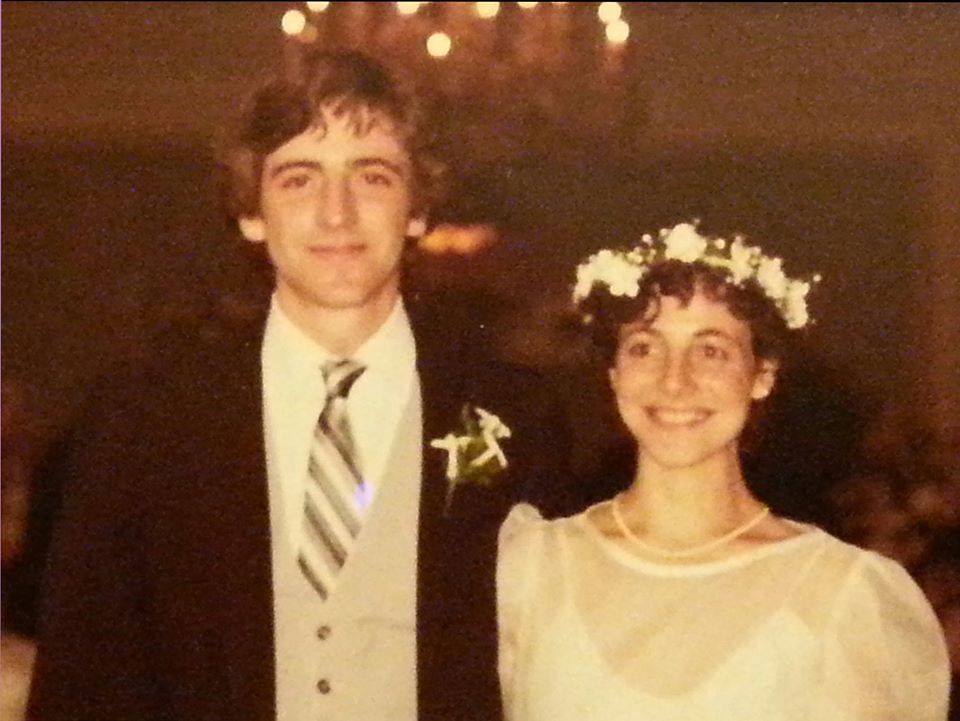
Montage: Chasing dreams with varying levels of “success”. A dozen years pass, carefree times – more or less. But something is missing. The dilemma: discover the source of dissatisfaction.

The yearning to create a family takes center stage. Hindrances emerge, the fates are unkind. Laboratory experiments ensue, negotiations with the gods of medical science: no avail. Copious pleas to Aphrodite, to Ishtar, to Mithras, to Macha and Marduk – all for naught. Our favorites sink into a slough of wretched despond. All seems hopeless.

But hark! What luminous fortune shines in the distance? Are those blue eyes we see shining from a mythical mountaintop? Our heroes embark, a quest to climb this mountain, to best the demons and dragons, to conquer the traps set in our path. Our child is waiting. We must persevere. We must prevail. We must.

Cut to a military green DCF office bathed in flickery fluorescence. A door opens. In walks a woman<fn>Was it a woman? I think it must have been.</fn> carrying the most beautiful baby ever seen on this earth. With shining blue eyes.

“Who gets her first?”

The world’s unlikeliest and most reluctant father steps forward, arms outstretched.

And scene.
Act Two: We find our heroes trying to figure out what parenting entails. Like almost everyone, this is largely a trial and error process in which we are certain to provide our charges with plenty of things to talk to a therapist about in later years.

But they adapt and start to think they have a handle on things. As the gods abhor hubris, the phone rings and, almost overnight, the Beast know as Bender, aka Bam Bam, arrives. All illusions of having mastered the process are dashed. Cue Thalia who takes her turn as director of mayhem. The audience may now enjoy hearty laughter at the heroes’ expense.

Are they laughing at or with?

Montage: Children growing up, our heroes growing old(er), a span of laughter and tears and broken bones and banged shins and and and…
(Staging note: this transpires at ultra-high speed, almost as if 20 years might elapse in a trice.)
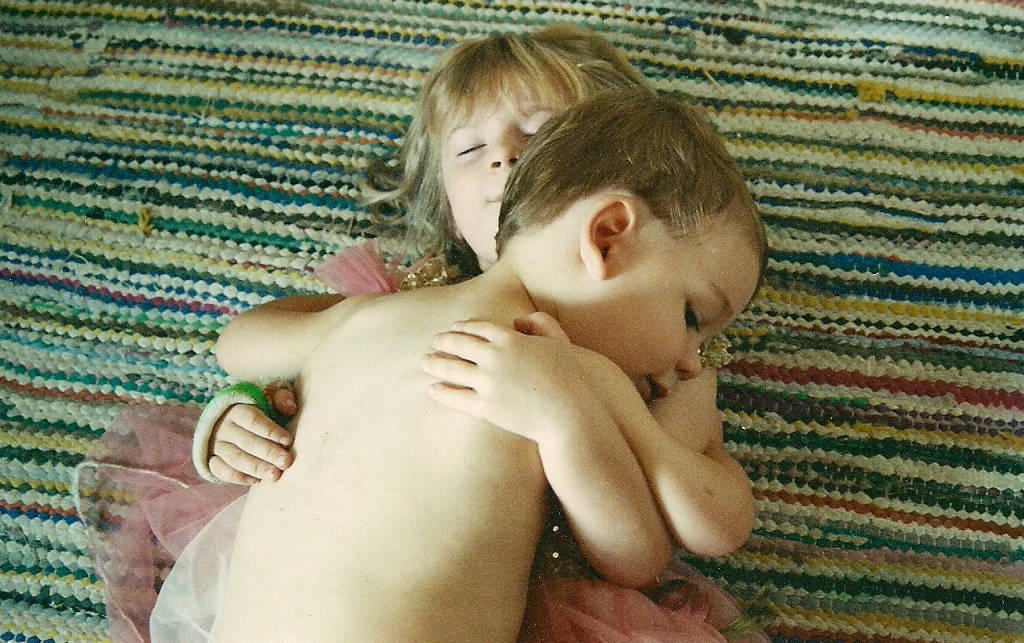


Cut to Daughter kicking every available ass at university. A science rock star in the making. But, alas, flown the nest.

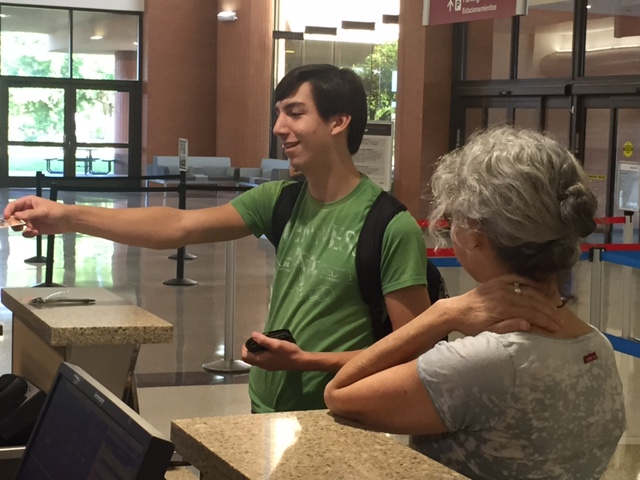
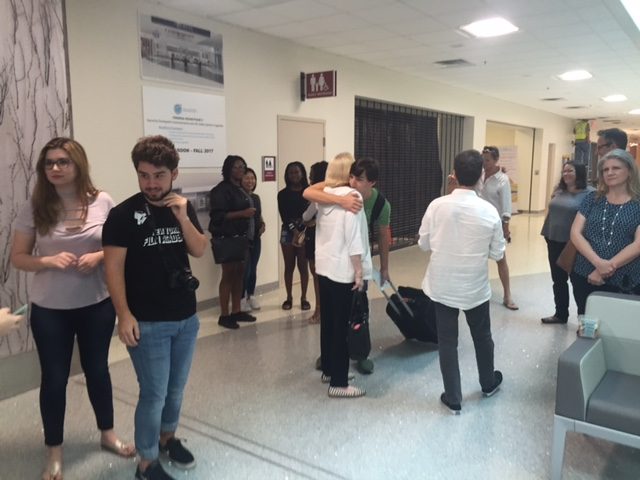
Cut to the local two-mule airport where a coupletwothree of The Boy’s friends have gathered to offer their fare thee well as he departs for the far off land of Deutsche. For a year. Auf wiedershein.
  

Voiceover: Andre Gregory’s final words from My Dinner With Andre.

A son? A baby holds your hands and then suddenly there’s this huge man lifting you off the ground, and then he’s gone. Where’s that son?
Camera follows The Boy through the security checkpoint. Cheers of farewell follow his progress. Even the TSA agents get in on the action.

Cut to our heroes, proud and bereft.

The nest, it is empty.

And scene.

Act Three: As the curtain rises, our heroes, and their trusty hound Maggie, are in the kitchen. Stanwyck is wearing one of the Lad’s favorite t-shirts. Your Narrator strokes his beard and ponders.

The action is not yet established, the third act not yet written.

We begin again. Constantly.


A Stained Soul Cringes at Small Details in the Mirror of Embarrassment

Woke up this morning, poured a cuppa, and opened the facebook machine. Right there at the top, a photo of the Fox Theater marquee touting the 70th birthday celebration for Colonel Bruce Hampton, Ret. Made me happy to know that so many amazing people -musicians and fans – had filled the Fabulous Fox to honor this half-mad, totally kind genius.

And then I scrolled down a few posts and read the grim news. During the epic finale of this four-hour show Bruce pushed 14 year-old guitar whiz Brandon Niederauer into the spotlight. The boy was shredding. The Colonel walked over and bowed to his latest protege. Then he fell forward, draped across a stage monitor. Classic Bruce antic. The solo continued, the band wailing. The solo ended. Everyone expected Bruce to jump up.

He never got up again.

The music stopped, the ambulance took away the guest of honor. A few hours later, Colonel Bruce Hampton flew away. I’ve been in a kind of shock all morning.

He was a friend of mine.

Nothing about that is unusual or special, though it does mark me as one lucky son of a gun. Aside from his deep genius and complete dedication to his craft, Bruce was one of the kindest and most generous cats you will ever meet. He was everybody’s friend.

We were friends enough to chat at parties, to enthuse together in the lobby of the Variety Playhouse after a Sun Ra concert. Back in the 80s, my gang of pals went every Monday night to see the Late Bronze Age at the Star Community Bar (might have been the Little Five Points Pub. Memory issues.). It’s possible that I’ve seen the Colonel more than any other musician, easily in triple digits.

He played on Mondays because he always had the best players in his band, and because they were so good they were busy with real money gigs the rest of the week. But Mondays were reserved for the Colonel. In addition to his regular band, all the best musicians in town came out, many of them anxious to step in for a song or three.

My favorite regular guest was Deborah Workman, oboist with the Atlanta Symphony Orchestra. Arriving late from ASO work, she would walk meekly on the stage in her formal wear. The band brought the volume way down to let her tone shine through. The first few times, she was timid, nervous about improvising. Eventually, she found her groove and blew like a double-reeded tornado.

Later, the Late Bronze Age gave way to the Aquarium Rescue Unit. You could pretty much count on hearing them at least once a week. And you got to hear young players, “unknowns” like Oteil Burbridge, Jimmy Herring, Jeff Sipe, Rev Jeff Mozier, Matt Mundy. Bruce always had an eye and ear for young talent.

He had the reputation: if Bruce asked you to play, you would crawl over broken glass to do it. Not only would Bruce get you to play your best, play things you never thought of before, he would tell you which book to read, which musician to listen to, which movies to watch. And somehow, whatever he told you to read/listen/watch was exactly the right thing to blow your mind wide open to get you to yet another level. Bruce moved musicians to find an authentic voice.

Don’t believe me? Ask Derek Trucks.

Later on there was The Quark Alliance, Project Z, the Fiji Mariners, the Madrid Express, the Arkansas Travellers. But it was always the Colonel.

Years earlier – before my time – there was the Hampton Grease Band. Their double album, Music to Eat, on the Capricorn Columbia label, was the worst selling major label double album release of all time, at least until Lou Reed came along with Metal Machine Music. Time passes. It’s recognized as a classic now.

All this to say that, at least as long as I have been a music obsessive, Colonel Bruce has always been there.

Many years back, after not seeing him for a good dozen years, I received what I thought was a spoofed request from Bruce to connect through LinkedIn. But I answered anyway, and it was really him. He had been in poor health for a while, off the scene for a bit, and he was reaching out to all kinds of people as he started re-connecting.

I was frankly kind of touched that he recalled me at all. But we had a great exchange, and I promised to come see him next time he came through Tallahassee. Something always came up and I never got out to Bradfordville Blues Club when he was there. But fortune smiles! He was on the schedule for both the BBC and Cascades Park this summer. I was looking forward to hearing him and catching up.

It ain’t gonna happen. The guy who has always been there ain’t there no more.

I sit here listening to old Hampton recordings, remembering how his music, his expansive imagination and insatiable curiosity, his incredible presence and generosity…how all these things figured into who I have become. The influence is greater than I had realized.

I’m sad to know I’ll not catch up with Bruce this summer. I’m sad that his artistic voice is silenced. I’m just sad, dammit.

But at the same time, what a way to go. I halfway believe he planned it. The last song he ever played: Turn on Your Lovelight. You know, the one that goes “without a warning / you stole my heart”.

Colonel Bruce was a badass. The man gave his all to his craft for near on 50 years. Like most musicians, he never made a ton of money. He lived for those moments where everything comes alive, and he climbed in and out of crappy vans for decades to find the stage where the magic might, just might, arrive.

He was a pro, make no mistake. But he was much more than that. He was a committed visionary who knew what he was doing. And why. He was a sincere absurdist, a grounded Dadaist, a dyed in the wool bluesman and a lover of space jazz. He was funny as hell and serious as can be.

A couple of decades back, at a party at Terry William’s front porch, we talked about a book on the free jazz scene. He laughed when I mentioned the title. I’d love to hear that laugh again.

The name of the book?

As Important Serious as Your Life

The Colonel lived it that way all the way.

Full commitment. No compromises.

Farewell, my friend. I am so much better having known you.

———–

There is a fairly recent documentary about the Colonel. I’ll be watching it tonight.


The Bitter Southerner Saved My Life

This morning, The Bitter Southerner began their annual membership drive. I command you to click through and offer whatever support you can.

Most of you know that for most of June, 2014, I was in a hospital bed, laid up like a beached whale and experiencing the most delightful and disturbing episodes of hallucination and dementia. And then, suddenly, all better, except for the inability to walk more than a few steps at a time, or think about one idea for more than ten seconds, or even stay awake through the day. I was, to be medically technical about it, all kinds of fucked up.

About 18 months ahead of this apocalypse, I had reconnected with Chuck Reece via Facebook. I had known Chuck back in the University of Georgia days, where he was editor of the student paper and I was general manager of the student radio station. I wrote a few articles for the paper. We weren’t tight, but we knew each other well enough to engage a good-natured media rivalry and to give each other shit about this thing or that when our cups had been emptied a few times. But time marches and people drift.

About a year after we reconnected, Chuck and his gang launched The Bitter Southerner. I was knocked out, by the concept, by the execution, and mostly, by the sheer ballsy audacity of the whole affair.

And I was more than a little envious. Damn, thought I: this is about putting it on the line and creating a life that makes getting up in the morning something to look forward to.

By this time, I had found myself in the pinschers between gray hairs and creative economic disruption. I was, essentially, unemployable. My long and storied career stringing words together to make the world a better place for software manufacturers or insurance tycoons was deader than Trump’s dick. I had never taken the plunge to play music for a living. I had never, despite my early ambition, become a real Writer with a capital ‘w’. I was a has been who never had been.

To make the cliche complete, I was depressed and beaten and certain that everyone else had the puzzle figured out. People like Chuck. They had it going on. Yeah.

Then that damn tick knocked me flat.

One night that August I was home alone, moping, lying in a dark room staring at nothing, and I saw the entire saga of my apocalypse formatted on the ceiling. I up and hobbled to the computer and started writing. And lo, it was lame and flabby. And glorious and funny.

I was still reading Bitter South every week. It never dawned on me that I would write for BS, but it did strike me that, if they could publish one great story a week, I could commit myself to post one story – as best I could – every week, too. So started this bloggy outpost. It paid poorly (still does), but I had a reason to look forward to waking up each morning.

I actually went one step beyond: I committed to two stories a week for a year. I made it about 40 weeks before I missed a week. I had a good reason, though.

I had an assignment for the Bitter Southerner.

Chuck had mentioned that they had not run anything on jazz in the South yet. Might I be interested? After a few months of telling myself that such a thing was way out of my league, I came up with an idea. I drove to ATL and met Chuck – for the first time in ~~~ years – at Mary Mac’s. Over a customary lunch of meat and three, I pitched.

“Sold.”

Damn. Well now I was well and surely fucked, destined to exposure as a fraud or worse. I set to work, over the next four months, to write Kosher Gumbo, an epic tale of how NOLA brass band music and Eastern European klezmer music came together under the banner of the Panorama Jazz Band. Plus a few other necessary digressions and diversions.

I wrote and wrote, researched, traveled to NOLA three times, and joined a Mardi Gras krewe. I marched, costumed as Donald Trump. The story went deeper than I had imagined. In the end I had 16,000 words. I cut it to 14,000 and sent it to Chuck, certain of its rejection. I mean really, who runs 14,000 word articles? John McPhee gets that kind of space, and let me tell ya, sister, I am no John McPhee.

I was wrong. Chuck loved it. And even better, he liked it the way it was and did not want to trim it. It ran on Mardi Gras Day, 2016, the longest story the Bitter Southerner has ever run. “Or ever will,” sez the editor every time I talk to him.

I was a Writer. Capital damn ‘w’.

What next, then? Well, if you’re a Writer, you better write, fool. It only took me 57 years to figure that one out.

There’s a novel underway. (Maybe two.) A few short stories submitted (and rejected). The blog hobbles along. The Uganda famine relief project has hit some roadblocks, but we’re still hoping.

Last night, I submitted my latest to Bitter Southerner. If they run it, it will be my fourth article for them. I’m like the Alec Baldwin of BS. (See here and here for the other two rambles.)

Ladies and gentlemen: I am a Writer.

I won’t say I owe it all to Chuck and BS. But credit where due: The foolish leap of faith the BS crew took to birth their beast gave me the inspiration to launch this bloggy vineyard. Then Chuck took another leap and put my work in front of a real audience. And then again, and again, and now, maybe, another time. (And beware, Chuck…I have another dozen pitches in my pocket.)

So damn right Bitter Southerner saved my life.

Go give them all your money. It matters a difference.


Letter From a Foot Soldier in Knoxville

My Dearest Stanwyck,

I sit down in near exhaustion to write these few lines in between the grueling marches of the Knoxville Big Ears campaign. My weary feet cover many miles each day so as to position myself advantageously in front of the august purveyors of the Euterpean muse, many of whom invoke Polyhymnia, Terpsichore, Calliope, Clio…in fact, it appears that while Euterpe stands central to the affair, all eight of her sisters enjoy more than adequate representation amongst the artisans and craftspersons hard at work.

Everyone maintains a relentless good cheer, save for a few grumblers and malcontents who find the queues for sustenance longer than their yearning for pleasure can forbear. Yet even these laments of bellyachers and moaners, few and far between, cause barely a ripple across the mood of the assembled.

These many days of relentless struggle have taught me much about this town Knoxville, and about myself, as I come to terms with my frailties and prejudices. The people of Knoxville, to a man and woman, have been warm and courteous even as our discommodious invasion has imposed itself. It does a heart good to encounter such generosity as one is distant from one’s own hearth and home, and leads one to feel, fleetingly, that one is in fact at home in this stranger’s locale.

The great divisions that rend our everyday discourse – avant gardist v. lovers of traditional song, West v. East, and, most trenchant, jazzers v. the world – are as mist here in the trenches. Troops from every camp meet in the middle, happy to share in each other’s experience. Once bitter foes freely exchange food, tobacco, strong drink. There is some laughter on the wind, but in the main we find shared reverence and wonder at the spectacles as they unfold.

We had a fine rain a few minutes ago that was much needed. My jacket leaks very badly. I got rather wet for the rain was very hard, but lasted only a short time, and I got dry and have resumed my deep listening. Later, I will sleep very well.

My darling, my Stanwyck, how I miss you and your sage counsel and warm touch. Alas, I fear my obsessions with the Muse sisters would generate no end of frustration and despair and would likely serve to drive you once again unto the arms of that damnable scoundrel Clooney, damn him three times. And so I must content myself to gaze upon your locket of hair and a faded photograph as the sole means of connection with you, my one true love, as I gird my loins for yet another presentation of Art in this, perhaps, fairest City in the South. It is a desperate trial, but I am determined to maintain a noble spirit and spry step, no matter how I suffer.

I must resume my march, dearest, as the next maelstrom is many strides away and promises a decibel assault of relentless terror. It is a harsh duty, but it falls to myself and my fellow foot soldiers to offer embiggened ears to these noble artisans, people whose sufferings and trials to bring their visions to life far exceed my own pitiful efforts as a receptor of their message.

I shall describe the events in greater detail by means of the electronic Bitter South tabloid at a later date. Until then, know that, as the artists of Big Ears excite my stereocilia in manners heretofore unknown, I remain,

Always.

Your Faithful Narrator.